

When managed service providers (MSPs) introduce private AI into their ticket resolution workflows, strict decisions about data residency and privacy become critical. The question—what data should stay on premises when deploying private AI for MSP ticket resolution—demands a considered, definitive answer. With AI now deeply embedded in modern IT operations, the lines between efficient automation and data security can blur. To safeguard clients, reputation, and operational compliance, MSPs must follow clear rules about what data never leaves their controlled environments.
Our experience at Ixvara shows that the highest standard of data control is not only achievable, but vital. Private AI, when designed and deployed with operational boundaries in mind, empowers MSPs to accelerate ticket triage and resolution without sacrificing tenant isolation, regulatory compliance, or business confidentiality. We recommend that client-identifiable information, authentication records, operational control data, and sensitive resolution details are always retained on premises or within your secure cloud boundaries. Let’s explore the specifics, the reasoning, and robust best practices for securing MSP ticket data in the AI age.
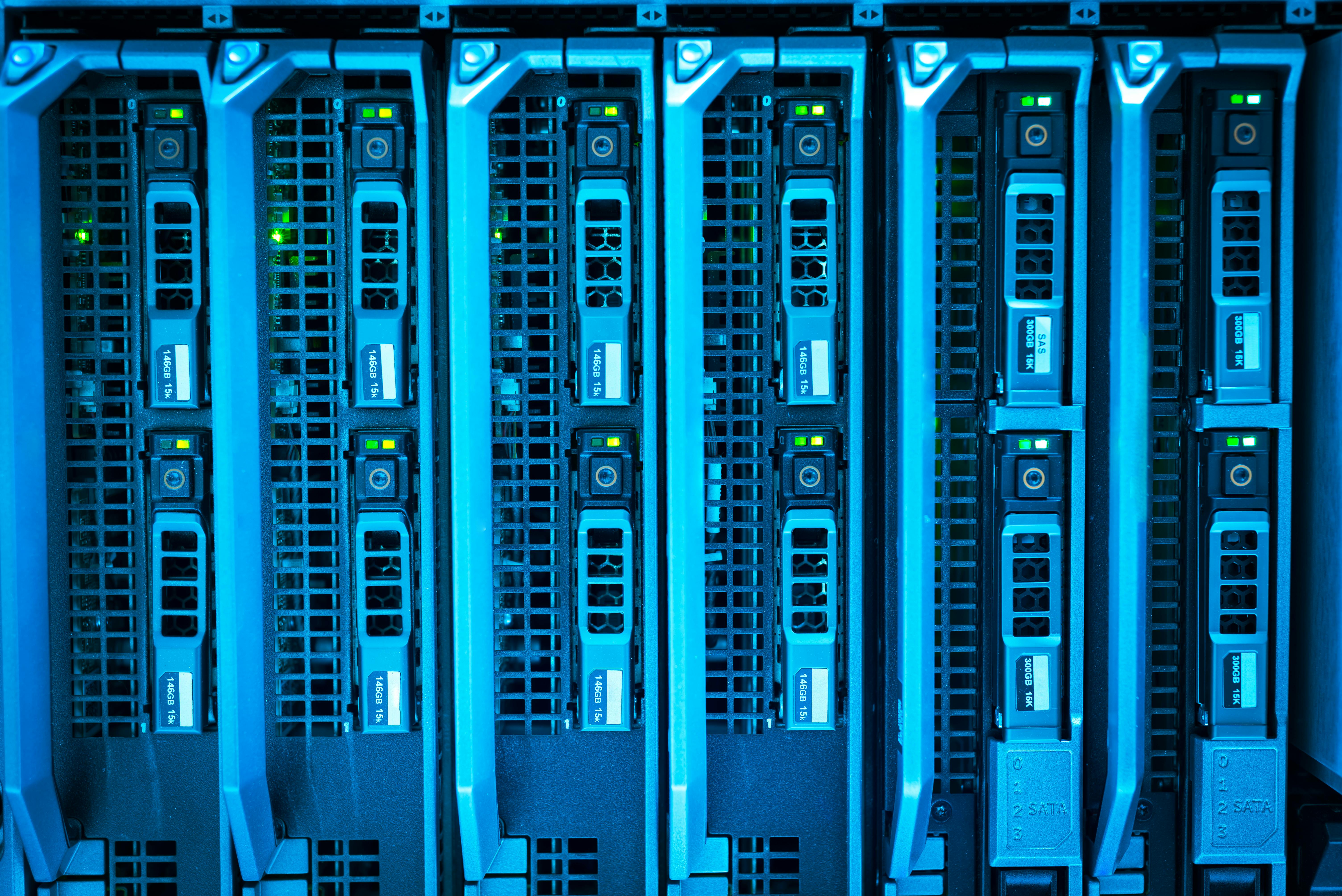
Private AI for MSPs: What Data Must Remain On Premises?
The minimally acceptable rule for using private AI in MSP ticket resolution is clear: keep these data types on premises, or inside the MSP’s controlled environment at all times:
- Full ticket text and attachments: Every part of a support ticket—inclusive of descriptions, logs, notes, screenshots, and files—can contain confidential client context and should remain in your private system.
- Client identifiers: Organization names, tenant IDs, user account details, and any client metadata that ties ticket data to a specific company or individual.
- Credentials and secrets: Passwords, API keys, session tokens, recovery codes, and similar security-critical information should not be exposed to external AI or tooling.
- Identity and access management data: Usernames, login patterns, MFA statuses, conditional access policies, and session event logs.
- Internal infrastructure and configuration: IP addresses, server hostnames, firewall rules, VPN routes, and any architectural mapping specific to a client environment.
- Operational control data: Anything with the potential to impact change or security—PSA, RMM, SIEM exports, runbooks, automation logic, SLA rules, dispatcher notes, and remediation actions.
Why Must This Data Stay On Premises?
The rationale for retaining these data types inside the MSP’s walls comes down to a few core risks and operational realities:
- Confidentiality & Tenancy Isolation: MSPs routinely manage multiple clients. Leaking identifiers, asset data, or support details exposes those clients to reputational or operational harm.
- Compliance & Contracts: Many MSP contracts, especially with regulated industries (finance, healthcare, legal), mandate local-only storage for data classified as confidential or regulated. Moving this data to public models or general-purpose AI clouds can breach these agreements.
- Security & Threat Exposure: Credentials, access patterns, and internal topology are prime targets for threat actors. Keeping this information local closes a major attack vector that public AI models or cloud vendors might otherwise introduce.
What Data Can Be Safely Shared—With Conditions
Certain categories of information can be processed outside the MSP boundary—but only with rigorous redaction and privacy controls:
- Sanitized ticket summaries: Non-identifying ticket subject lines or issue categories, once scrubbed of all client, host, and credential data.
- Generalized workflow metadata: Issue tags like “user onboarding,” or “printer jam,” suitable for classification modeling but with all relationship to a specific tenant removed.
- Anonymized knowledge base entries: Documentation or FAQs devoid of any operational context that could identify clients or internal structure.
- Aggregate, depersonalized analytics: High-level trends (for example, percentage of tickets resolved on first touch) with no tiebacks to a particular MSP account or client.
Many MSPs find that even when limited data types are marked as exportable, best practice means erring on the side of local-only workflows. This is how Ixvara structures privacy defaults in its platform.
What Should Never Leave the MSP Boundary?
There is a subset of data that is always off-limits to external AI, public model training, or vendor support pipelines:
- Passwords, tokens, recovery codes: No exception. Never send these outside.
- Private keys, credentials, SSL/TLS materials: These enable or secure environment access and must always be isolated from any shared or external system.
- Regulated client data: Protected Health Information (PHI), payment data (PCI), or any legally regulated record subject to industry-specific data residency.
- Incident or alert data tied to named clients: Security events, privilege escalations, or forensic investigations linked to a customer.
- Anything shielded by client contractual confidentiality: Review every master service agreement and err on the side of exclusion if unsure.

Best Practices: Framework for MSP Private AI Data Residency
- Architect for local processing: Use AI platforms (such as Ixvara) that operate on your premises or via a private, MSP-dedicated cloud instance.
- Tenant isolation by design: Ensure each client’s ticket data is separated logically and operationally from other clients.
- Redact at the source: Before any data is considered for export or vendor analytics, sanitize it for credentials, asset details, network mapping, or user relationships.
- Auditability & Traceability: Maintain a detailed, append-only audit log for every AI-driven or automated ticket action, along with human approvals and overrides. This is central to both compliance and operational forensics.
- Limit permissions of AI service accounts: Scope access tokens and application credentials to the minimal rights needed for ticket classification or remediation—not broad full-system access.
- Deploy strict data retention controls: Periodically purge, rotate, and encrypt any ticket data stored for learning or dispatch improvement purposes.
How Private AI Ticket Resolution Typically Works in Modern MSP Platforms
Platforms like Ixvara unify help desk, identity, security, and infrastructure data into an AI-powered intelligence layer. The ticket flow is typically:
- Ticket is ingested and enriched with local MSP context (infrastructure, user, historical resolution patterns)
- Automated triage and root cause correlation are performed using local-only data
- AI recommends class, priority, and potential fix, but operates strictly within the boundaries of the MSP's private environment
- Approved remediations trigger only after technician review, adding another layer of operational control and auditability
- All actions, escalations, and resolutions are documented, but never exported out of the MSP's owned domain unless fully anonymized and contractually permitted
The benefit of this architecture is not just tighter security, but also dramatic reductions in alert fatigue, context-switching, and operational overhead. You’ll find a deep-dive on the impact of correlation and AI-powered diagnosis in our post Why MSP Ticket Diagnosis Slows Down When Service Desk Data Stays Siloed.
Developing a Practical Data Policy: The "Three Layers" Model
- Layer 1: Local Only (Full isolation)
- Raw tickets, logs, credentials, client identity, remediation controls
- Never exported or shared—used only inside the MSP environment
- Layer 2: Internally processed, not exported
- Classification, prioritization, draft response suggestions
- Remains within PSA, ITSM, or MSP's own audit logs
- Layer 3: Externally shareable only if sanitized
- Broad trend reports, non-identifying analytics, and generic KB content
- Must be depersonalized and aggregated—never tie back to a real client or event
What to Check Before Enabling AI on Live Ticket Data
- Data retention policies: Ask exactly how long the vendor keeps any ticket content, and who has access.
- Model training boundaries: Confirm that all sensitive/ticket data is excluded from public model training by default.
- Multi-client isolation: Verify that tickets from one client environment can’t influence or surface in another.
- Deployment model controls: Prefer platforms (like Ixvara) that let you run the core engine on premises, or inside your directly managed cloud tenancy.
- Granular auditability: Ensure that every AI-initiated step is logged—who approved, what the system did, and why.

Common MSP Scenarios: Practical Examples of Data Residency
- Password reset or MFA ticket: Usernames, MFA status, backup methods, and logs should only exist within your MSP’s local context—they enable access and are central to security.
- VPN or network issues: Client subnet layouts, VPN configurations, firewall states, and BGP paths must not leave the trusted perimeter—exposing them is a direct risk.
- Identity or Microsoft 365 alert: Mailbox data, user access patterns, impossible travel events, and token logs are highly privileged and should remain in your domain.
- Backup failure ticket: Backup locations, storage credentials, and operational schedules all represent both risk and competitive context—always keep local.
For a more comprehensive breakdown of what details are operationally critical inside the MSP stack, read AI Help Desk Automation: 7 Workflows Worth Deploying Before Full Autonomy.
FAQ: Data Residency and Private AI for MSP Ticket Resolution
What is the main risk if ticket data is sent to a public AI model?
The primary risks are data breaches, compliance violations, and cross-tenant data exposure. Public models may inadvertently retain or train on sensitive information, violating client contracts or regulations.
Are AI-generated recommendations safe to share?
If recommendations are generated solely on local, anonymized data, they are generally safe. However, raw ticket context or references to specific client environments must not be shared with outside systems or vendors.
How does Ixvara approach private AI for MSPs?
Ixvara was built as an intelligence layer on top of existing MSP systems, keeping ticket workflow, root cause analysis, and remediation automation strictly under tenant-aware controls. Data remains inside the MSP’s control, dramatically reducing risk and improving operational scale.
Can sanitized or aggregate analytics ever be exported?
Yes, if they are truly anonymized and devoid of client-identifiable data. Always follow strict redaction, review, and aggregation procedures before sharing any analytics with vendors or external parties.
What is the value of tenant isolation in private AI?
Tenant isolation prevents data bleed between clients, ensuring that incidents, remediation steps, and operational records from one customer cannot cross-impact another’s environment or be revealed in error.
How can MSPs ensure compliance when implementing private AI?
Start by reviewing service agreements, data residency requirements, and vendor platform boundaries. Use platforms like Ixvara that let you control deployment boundaries, enforce audit trails, and isolate tenant operations by default.
Does private AI introduce new risks for MSPs?
Any complex automation can introduce new attack surfaces or confusion if implemented poorly. The right platform combines strict data residency, operational auditability, and minimal permissions with high efficacy and scale.
Conclusion
Effective use of private AI for MSP ticket resolution means blending operational intelligence with uncompromising privacy. At Ixvara, we see firsthand how smart data boundaries—keeping the most sensitive elements always on premises—let you scale, cut escalations, and automate service delivery safely. As AI becomes the heart of modern MSP operations, draw your boundaries with clarity: retain anything that could identify, harm, or provide access to a client or their environment. Seek out platforms architected to help you maintain this control, and audit every AI step to guarantee compliance.
To learn how you can consolidate your MSP stack and unlock true data control with AI-powered operations, see more about the Ixvara platform and our unified approach for enterprises and MSPs.
18:T47a,{"@context":"https://schema.org","@type":"BlogPost